What to watch for in Denver homes
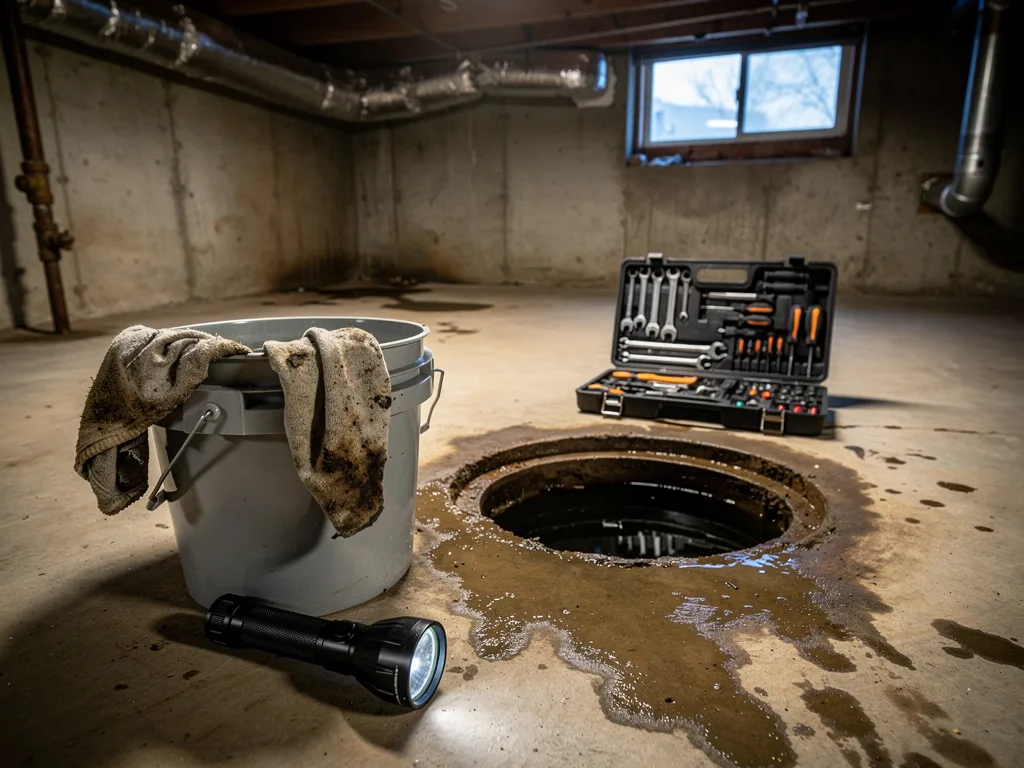
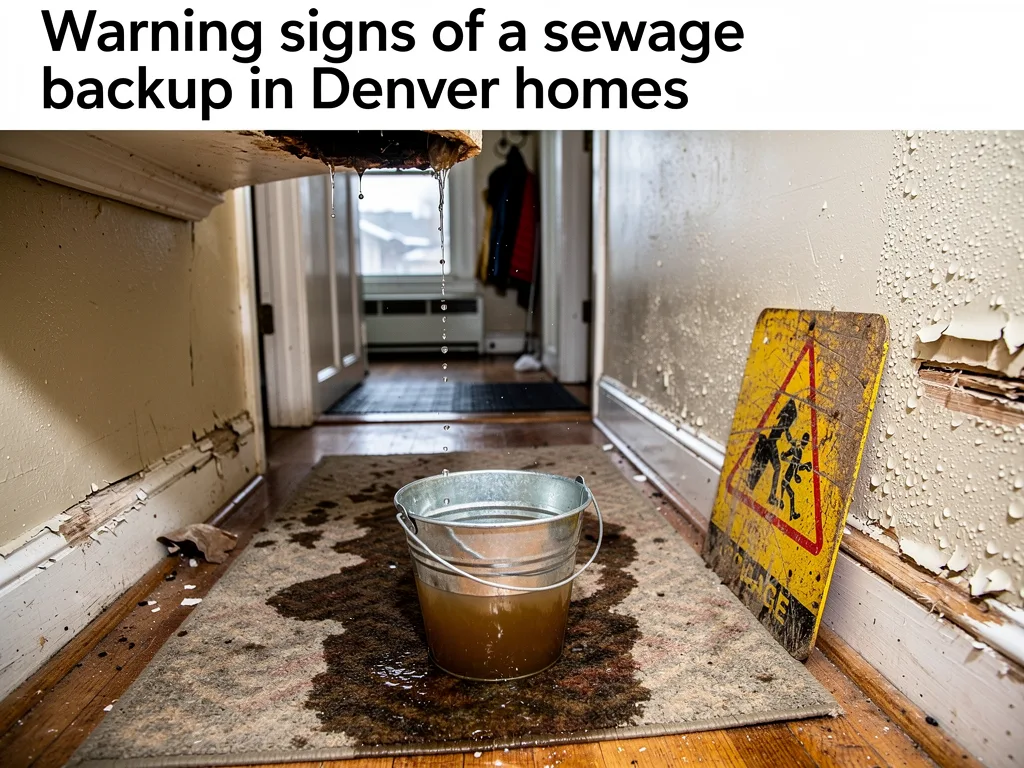
When a sewage cleanup crew arrives, they often hear the same questions. The first flag is a strong, foul odor that lingers in low areas like basements or crawl spaces. Another red flag is discolored water that appears in sinks, tubs, or floor drains. In some Denver homes, you may notice slow drains paired with gurgling sounds when water moves. These are not normal and warrant a closer look.
Our restoration specialists see a few patterns that point to a problem brewing underground. Toilet water may rise slowly after flushing, or you could notice damp spots on walls or ceilings away from the main bathroom. If you see air bubbles in standing water, that can indicate a pressure issue in the drainage system. In Denver’s climate, rapid changes in temperature and heavy seasonal rain can stress sewer lines, increasing the chance of a backup.
What to do when you notice warning signs
First, avoid running large amounts of water or flushing repeatedly to keep the situation from getting worse. Then call Denver Sewage Cleanup Co for a quick assessment. A restoration specialist will ask about when the odor started, the areas affected, and any recent plumbing changes. They’ll explain the expected steps and what you should expect during the cleanup process.
Don’t delay if you suspect a backup. Sewage backups can worsen quickly, causing more damage to floors, walls, and belongings. A prompt response helps limit losses and reduces the risk of mold or lingering odors long after the event is cleared.
What to expect from a professional assessment
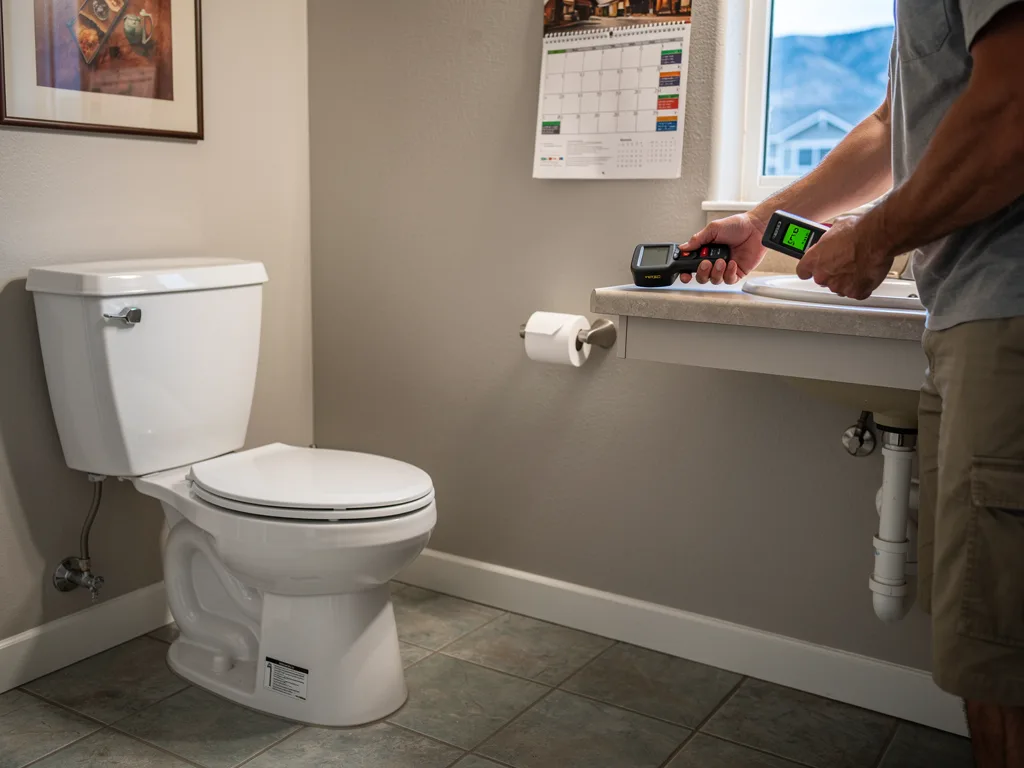
Our crew begins with a visual check of accessible spaces and a careful look at any standing water. They use safe containment practices to avoid cross-contamination. A restoration specialist will identify the source of the backup and outline a plan for removal, cleaning, and sanitization. Denver Sewage Cleanup Co focuses on clear communication, so you know what’s happening at each step.
In the typical Denver scenario, the team will determine whether the issue is a local blockage or a broader sewer line problem. They’ll discuss equipment needs, such as pumps and dehumidifiers, and provide a practical timeline. The goal is to restore a safe, breathable environment without overpromising results.
Practical tips for Denver homeowners
- Label and seal affected rooms to limit access and keep kids and pets safe.
- Move personal items off the floor to reduce exposure to contaminated water.
- Document the scene with photos for insurance purposes if applicable.