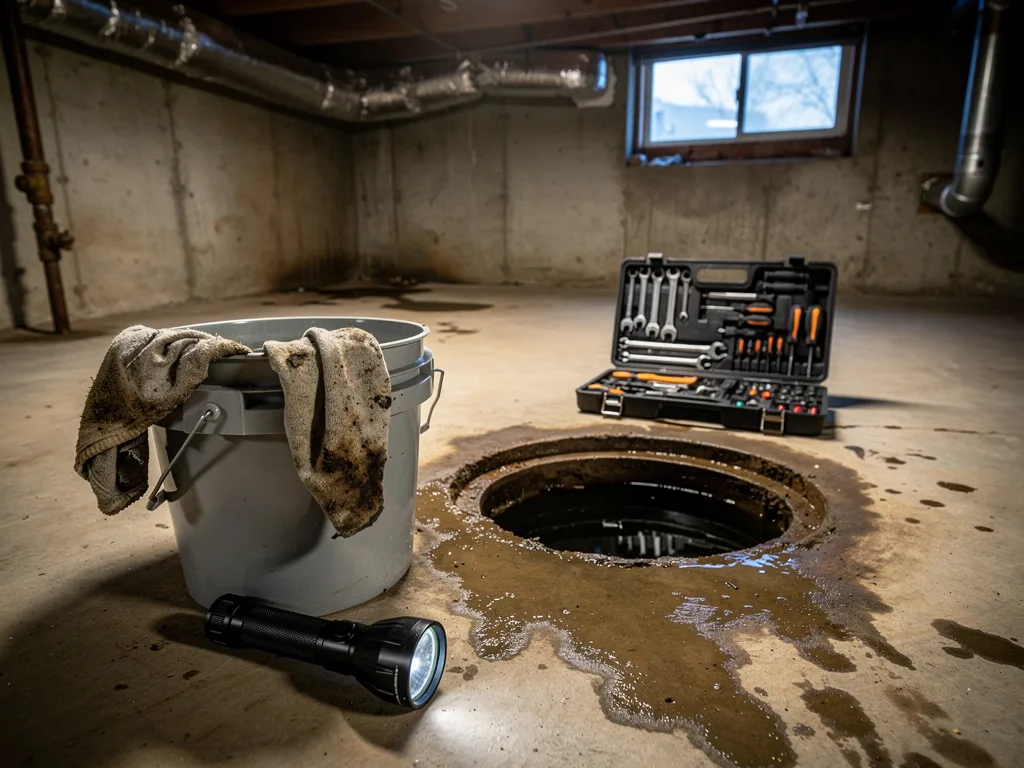

Seasonal shifts and what they mean for your sewer system
Denver’s seasons bring temperature swings and varying moisture levels. In spring, heavy rains can overload the sewer lines, while winter can push groundwater into the system through cracks. Both scenarios raise the chance of slow drains or backups. A quick, proactive approach makes a real difference.
A practical plan is to pair routine inspections with simple maintenance. A restoration specialist from our crew can guide you on the spots that tend to cause trouble in Denver houses. Regular checks catch problems before they become full-blown incidents.
Preventive steps you can take
Start with a few easy habits. Keep a lid on what goes into the sewer by avoiding fats, oils, and grease down the sink. Scrape plates instead of washing loose food down the drain. In Denver homes with older sewer lines, consider a camera inspection to spot cracks or blockages early. A professional can advise on the right time frame for a check based on your system and age of the home.
If you have a basement or lower level that tends to stay damp, manage moisture with a dehumidifier and ensure proper drainage around the home’s foundation. A well-sealed, dry space helps keep mold from taking hold after any cleanup job. Our restoration specialists can review humidity levels and point you to improvements that last beyond the season.
Maintenance habits to form now
Schedule a seasonal check with a restoration specialist, preferably twice a year. In spring and fall, have the system evaluated for blockages, water flow, and venting. Keep an eye on outdoor grading to ensure rainwater flows away from the house. If you notice a change in drain behavior after heavy rain, call for an assessment sooner rather than later.
Denver Sewage Cleanup Co focuses on practical, neighborhood-specific guidance. We keep things straightforward and explain what needs attention without overpromising results. That approach helps you protect your home and stay ahead of costly surprises.