Know the boundaries between DIY and pro help
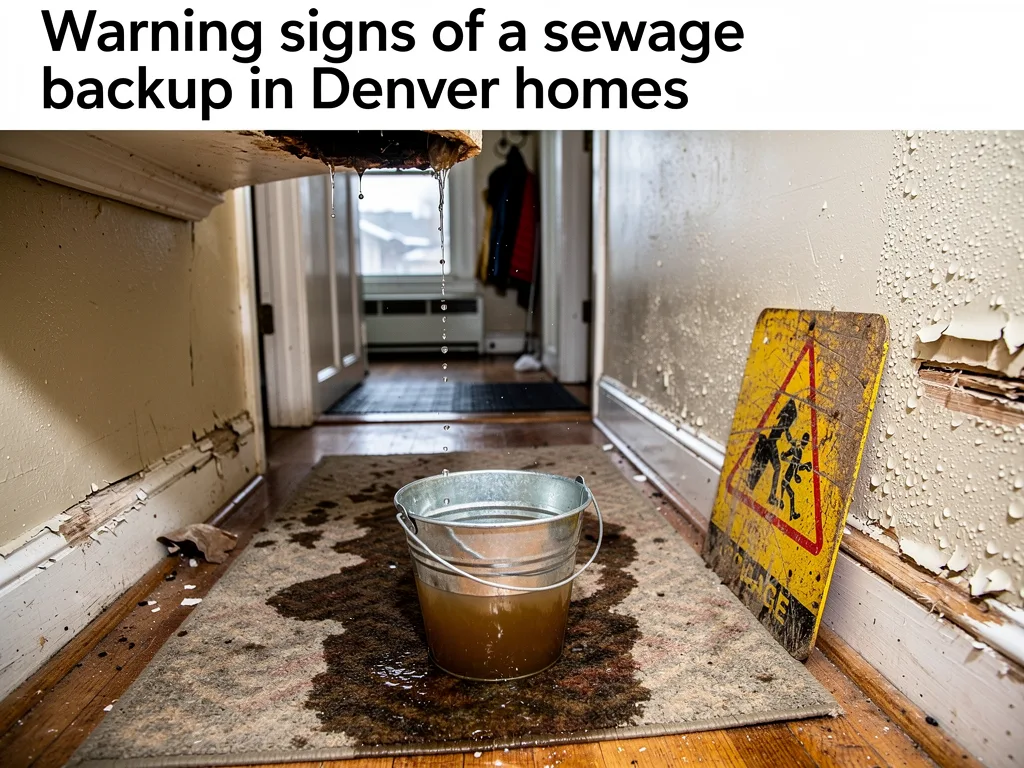
Small surface issues in a Denver home might tempt a DIY fix, but sewage cleanup is a job best left to a professional. Bold claims and quick fixes often backfire by spreading contamination or leaving hidden moisture behind. A practical rule: if water appears after a toilet flush, or if you can smell strong waste odors, call a restoration specialist right away.
DIY attempts can miss hidden pockets of moisture or fail to remove all contaminants. In a Denver environment with humidity swings, moisture can linger and lead to mold growth. Our crew uses protective gear and proper containment so those risks stay controlled and the area stays safe for your family.
What a pro does differently
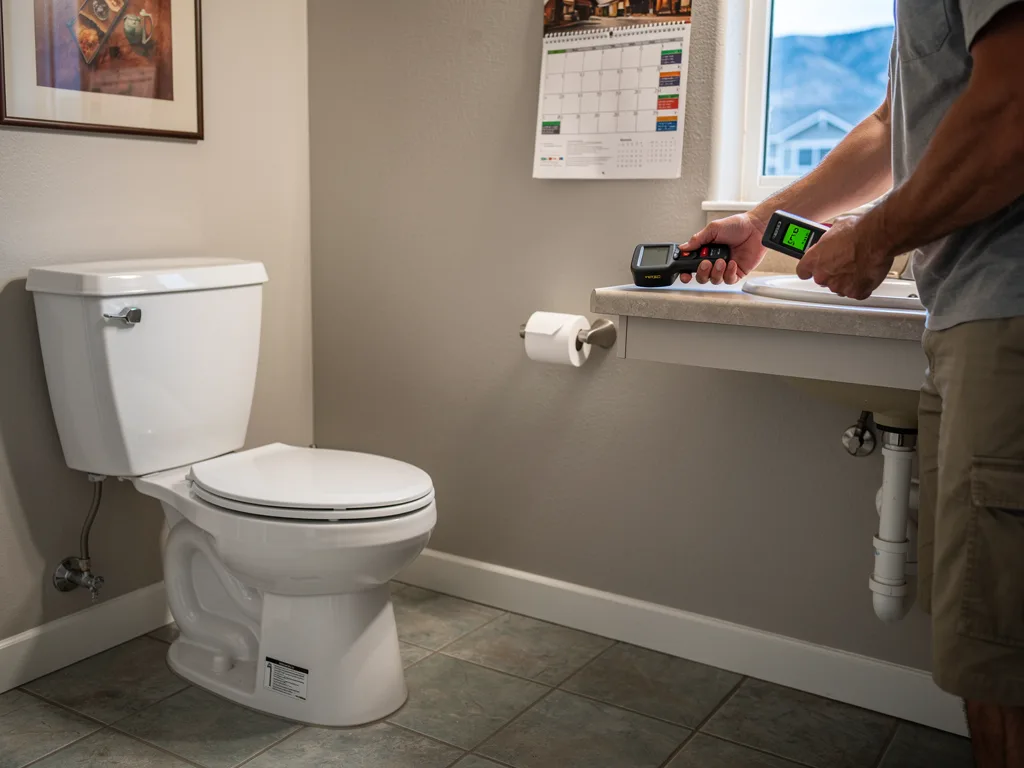
Denver Sewage Cleanup Co arrives with a clear plan. A restoration specialist will assess the affected areas, determine the source, and map out a cleanup and sanitization strategy. They’ll set up containment to keep the rest of the house clean and dry, and they’ll monitor moisture levels with meters to ensure everything dries evenly.
The crew uses professional-grade equipment for water extraction and dehumidification. They follow standard procedures to remove contaminants, disinfect surfaces, and restore airflow. The emphasis is on thoroughness, not speed for speed’s sake. A careful job now can save you headaches later.
When to call immediately
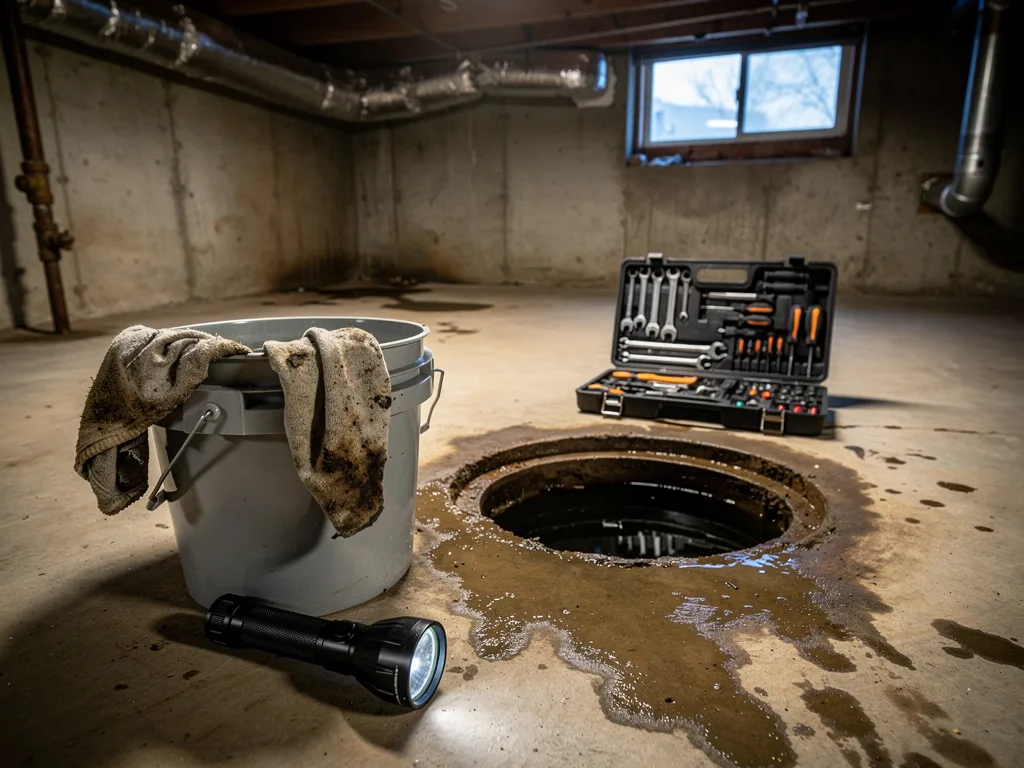
If you notice sewage odors in multiple rooms, standing water that won’t drain, or sewage backup during heavy rainfall, stop DIY and call a restoration specialist. In Denver, slow drainage after rain is a sign that sewer lines may be stressed. A professional assessment will prevent a minor issue from turning into a bigger, more expensive problem.
What to expect during an initial visit
The restoration specialist will walk you through the scope of work, provide a written plan, and explain the sanitation steps. They’ll outline what is covered by your notes, what might require a second visit, and how long the process could take depending on the space and materials affected.
- Containment to prevent cross-contamination
- Water extraction and drying assessments
- Surface disinfection and odor control